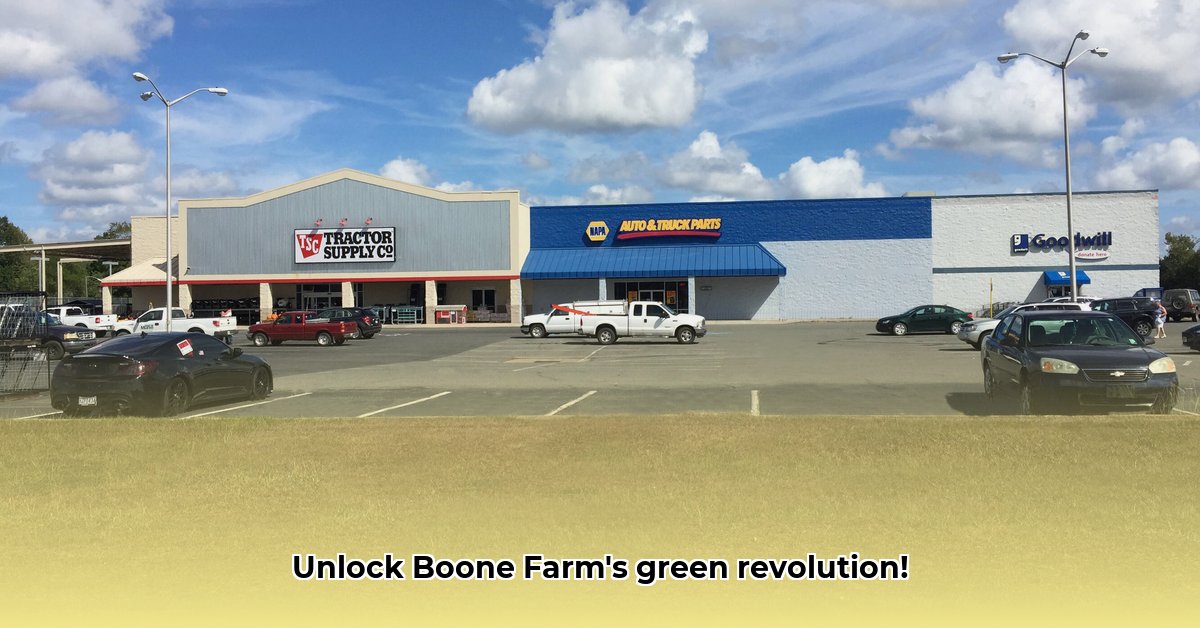
Tractor Supply Boone: A Local Sustainability Case Study
Tractor Supply Company (TSC) in Boone, Iowa, serves as a vital link in the local agricultural ecosystem, providing supplies to farmers and gardeners alike. But how effectively does this cornerstone business contribute to sustainable agricultural practices? This in-depth analysis examines TSC's role in Boone, highlighting both its positive contributions and areas needing improvement. We will explore actionable strategies for all stakeholders to foster a more sustainable future. For information on fuel efficiency in agricultural equipment, check out this resource on diesel fuel tanks.
TSC's Role in Boone's Agricultural Ecosystem: A Double-Edged Sword
TSC Boone offers a one-stop shop for essential agricultural supplies, from seeds and fertilizers to tools and animal feed. This convenience is undeniably beneficial, supporting local food production and fostering a strong agricultural community. However, this accessibility also presents challenges. The lack of readily available information regarding the environmental impact of many products – their sourcing, carbon footprint, and manufacturing processes – creates a significant opportunity for improvement. Consumers increasingly demand transparency and sustainable practices, a demand TSC needs to address to retain customer loyalty and build a stronger reputation.
Analyzing TSC's Contribution to Sustainability: Progress and Potential
TSC Boone stocks some products that support sustainable farming. Organic fertilizers, locally-sourced seeds (when available), and water-efficient irrigation systems are positive steps. However, the prominence and accessibility of these sustainable options within the store require further investigation. A deeper dive into inventory data, coupled with customer surveys, would illuminate the extent to which sustainable practices are truly prioritized.
Imagine a scenario where TSC proactively partners with local, sustainable farms and businesses. Such collaborations would shorten supply chains, reduce transportation-related emissions, and revitalize the local economy. This win-win scenario benefits the environment, local businesses, and TSC's bottom line, fostering an increasingly vital cycle of sustainability.
Actionable Recommendations for a Greener Future
Realizing a more sustainable agricultural future in Boone requires collective action from all stakeholders. The following strategies provide a roadmap for progress:
Tractor Supply Company: Conduct comprehensive product lifecycle assessments (LCAs) to evaluate the environmental impact of all products. Increase the availability of certified sustainable alternatives, clearly label products with sustainability information (e.g., organic certification, recycled materials), and invest in customer education through workshops, in-store displays, and online resources. Consider partnerships with local sustainable farms and producers.
Farmers and Gardeners: Actively seek and utilize sustainable products offered by TSC. Employ sustainable farming methods such as integrated pest management (IPM) and water conservation. Provide direct feedback to TSC regarding product needs and suggestions for improvement.
Local Communities: Support local farmers' markets and businesses committed to sustainability. Advocate for local policies that incentivize sustainable agriculture.
Mitigating Risks: A Proactive Approach
The following risk assessment matrix visually represents potential challenges and their corresponding mitigation strategies:
| Risk Factor | Risk Level | Mitigation Strategy |
|---|---|---|
| Reliance on non-sustainable sourced products | High | Prioritize partnerships with sustainable suppliers. Conduct thorough due diligence and audits of suppliers. Publicly report on supplier sustainability performance. |
| Lack of consumer awareness of sustainable options | Medium | Launch targeted marketing campaigns highlighting sustainable products and their benefits. Provide in-store and online resources educating consumers on sustainable agriculture. |
| Increased transportation costs | Medium | Optimize supply chain logistics. Prioritize local sourcing wherever feasible. Utilize more fuel-efficient transportation. |
(Risk Assessment Matrix Visual Here)
Navigating the Regulatory Landscape: Proactive Compliance
TSC must proactively comply with all relevant regulations regarding sustainable agriculture. This includes staying informed about evolving environmental regulations and ensuring all products meet required standards. Proactive compliance minimizes the risk of fines, protects the company's reputation, and fosters consumer trust.
Conclusion: A Sustainable Future for Boone
TSC Boone occupies a pivotal position in shaping the future of Boone's agricultural landscape. By embracing transparency, fostering partnerships with local sustainable businesses, and actively engaging with its customer base, TSC can become a leader in promoting environmentally responsible practices. The economic and ecological well-being of Boone depends on this collective commitment to sustainability. The time for action is now.